Ashley Torres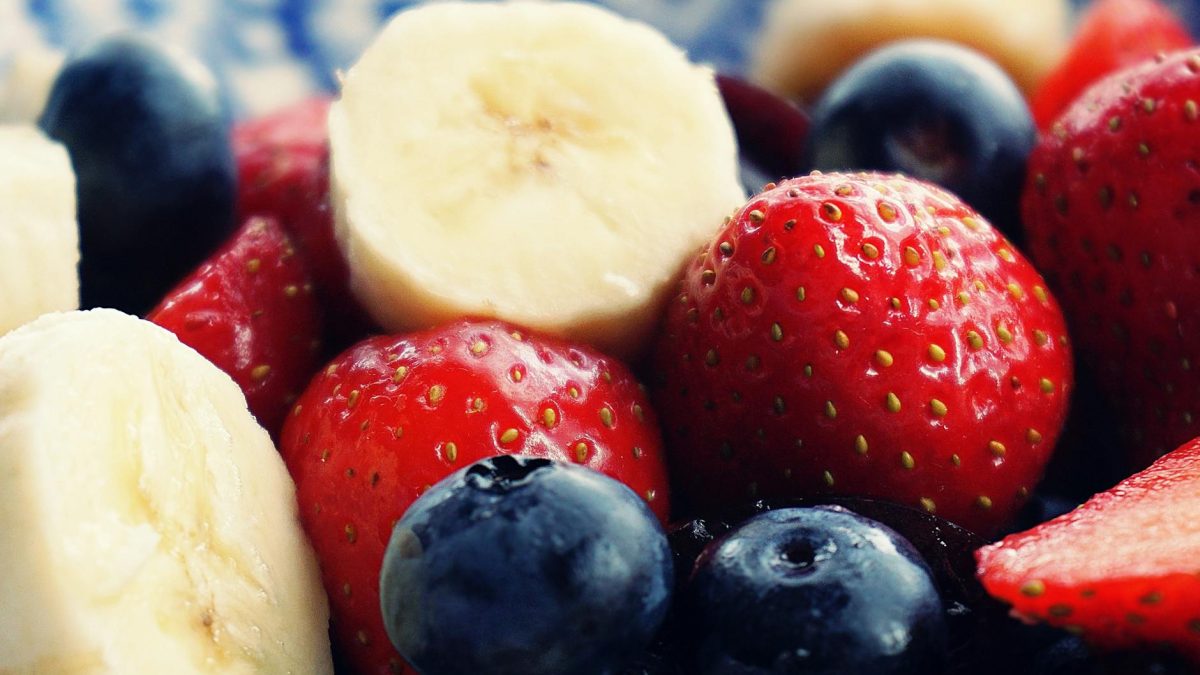
Understanding Chronic Inflammation and Its Dietary Drivers
Chronic low-grade inflammation — measured by elevated C-reactive protein (CRP), interleukin-6 (IL-6), and tumor necrosis factor alpha (TNF-alpha) — underlies virtually every major chronic disease: cardiovascular disease, type 2 diabetes, Alzheimer’s, autoimmune conditions, and certain cancers. Unlike acute inflammation (a healthy immune response to injury or infection), chronic inflammation persists for months to years, driven substantially by dietary choices. The standard American diet, characterized by ultra-processed foods, refined carbohydrates, industrial seed oils, and excessive sugar, promotes inflammation through multiple pathways. Advanced glycation end products (AGEs) formed during high-heat processing of foods trigger inflammatory cascades via the RAGE receptor. Omega-6 fatty acids from soybean, corn, and canola oils (consumed at a ratio of 20:1 relative to omega-3s, versus the evolutionary norm of 2:1) serve as precursors for pro-inflammatory eicosanoids. Refined sugar at levels exceeding 25 grams per day increases intestinal permeability, allowing bacterial endotoxins into the bloodstream. A landmark 2021 study in the Journal of the American College of Cardiology found that the Dietary Inflammatory Index (DII) score predicted cardiovascular events independently of traditional risk factors, with participants in the most pro-inflammatory dietary quintile having 38% higher cardiovascular mortality.
Core Anti-Inflammatory Foods and Their Mechanisms
The evidence-based anti-inflammatory diet is essentially a Mediterranean dietary pattern enriched with specific bioactive compounds. Extra virgin olive oil is the cornerstone — it contains oleocanthal, a compound pharmacologically similar to ibuprofen that inhibits COX-1 and COX-2 enzymes. Consuming 3-4 tablespoons daily of high-polyphenol extra virgin olive oil (look for harvest date and polyphenol count on the label) provides clinically meaningful anti-inflammatory effects demonstrated in the PREDIMED trial. Fatty fish (salmon, sardines, mackerel, anchovies) consumed 3-4 times weekly provides EPA and DHA omega-3 fatty acids that compete with arachidonic acid for incorporation into cell membranes, reducing pro-inflammatory prostaglandin synthesis. Target 2-3 grams of combined EPA/DHA per day through diet or supplementation. Deeply pigmented berries — blueberries, blackberries, cherries, and pomegranate — contain anthocyanins that inhibit NF-kB, the master inflammatory transcription factor. Cruciferous vegetables (broccoli, cauliflower, Brussels sprouts, kale) provide sulforaphane, which activates the Nrf2 pathway responsible for producing the body’s own antioxidant enzymes. Turmeric with black pepper (piperine increases curcumin bioavailability by 2,000%) at doses of 500-1,000 mg curcumin daily reduces CRP by 20-30% in clinical trials.
Week-by-Week Implementation Strategy
Week 1 focuses on elimination: remove the top inflammatory triggers from your kitchen. Discard refined seed oils (canola, soybean, sunflower, safflower) and replace with extra virgin olive oil for cooking below 375 degrees and avocado oil for higher heat. Eliminate added sugar in beverages — switch to water, green tea (which contains EGCG, a potent anti-inflammatory catechin), and black coffee. Remove white bread, pasta, and processed cereals, replacing with whole grain alternatives or sweet potatoes. Week 2 adds anti-inflammatory powerhouse foods: begin each morning with a smoothie containing frozen berries (1 cup), ground flaxseed (2 tablespoons providing 3.5g of ALA omega-3), and ginger root. Introduce fatty fish at 3 dinner meals per week. Add a large salad with olive oil-based dressing at lunch daily. Week 3 optimizes: begin batch-cooking anti-inflammatory meals for the week — turmeric golden milk for evenings, overnight oats with walnuts and berries for breakfast, and bone broth soups with cruciferous vegetables for lunches. Introduce fermented foods daily (kimchi, sauerkraut, or kefir) for gut barrier support. Week 4 fine-tunes: add spices systematically to meals — rosemary (carnosic acid reduces neuroinflammation), cinnamon (1/2 teaspoon reduces fasting glucose), and ginger (2g daily reduces muscle soreness and CRP).
Measuring Progress and Long-Term Maintenance
Track inflammation objectively through blood biomarkers. Request high-sensitivity CRP (hs-CRP) testing at baseline and after 8 weeks — levels should drop from above 3.0 mg/L (high risk) toward below 1.0 mg/L (low risk). A comprehensive inflammation panel including IL-6, TNF-alpha, and fibrinogen provides additional data points. Subjective markers to track weekly include joint stiffness (rate 1-10 upon waking), energy levels (1-10 by afternoon), skin clarity (acne, rosacea, eczema flares), digestive comfort, and sleep quality. Most people report noticeable improvements in energy and joint comfort within 2-3 weeks, with skin improvements following at 4-6 weeks. For long-term maintenance, follow the 90/10 principle: adhere to anti-inflammatory eating 90% of the time, allowing flexibility for social occasions and cravings 10% of the time. The goal is a sustainable lifetime pattern, not perfection. Stock your pantry with anti-inflammatory staples so the default meal options are always aligned: canned sardines, frozen berries, nuts and seeds, olive oil, sweet potatoes, and leafy greens. When eating out, choose Mediterranean, Japanese, or farm-to-table restaurants where anti-inflammatory ingredients dominate the menu. Supplementation to consider long-term: fish oil (2g EPA/DHA if fish consumption is below 3 servings weekly), vitamin D (2,000-4,000 IU daily with testing), and magnesium glycinate (200-400mg daily) — the three supplements with the strongest anti-inflammatory evidence base.
Sources and References
- Li, J. et al. (2021). Dietary Inflammatory Index and Cardiovascular Disease Risk. Journal of the American College of Cardiology
- Estruch, R. et al. (2018). Primary Prevention of Cardiovascular Disease with a Mediterranean Diet (PREDIMED). New England Journal of Medicine
- Calder, P. (2017). Omega-3 Fatty Acids and Inflammatory Processes. Nutrients