admin
admin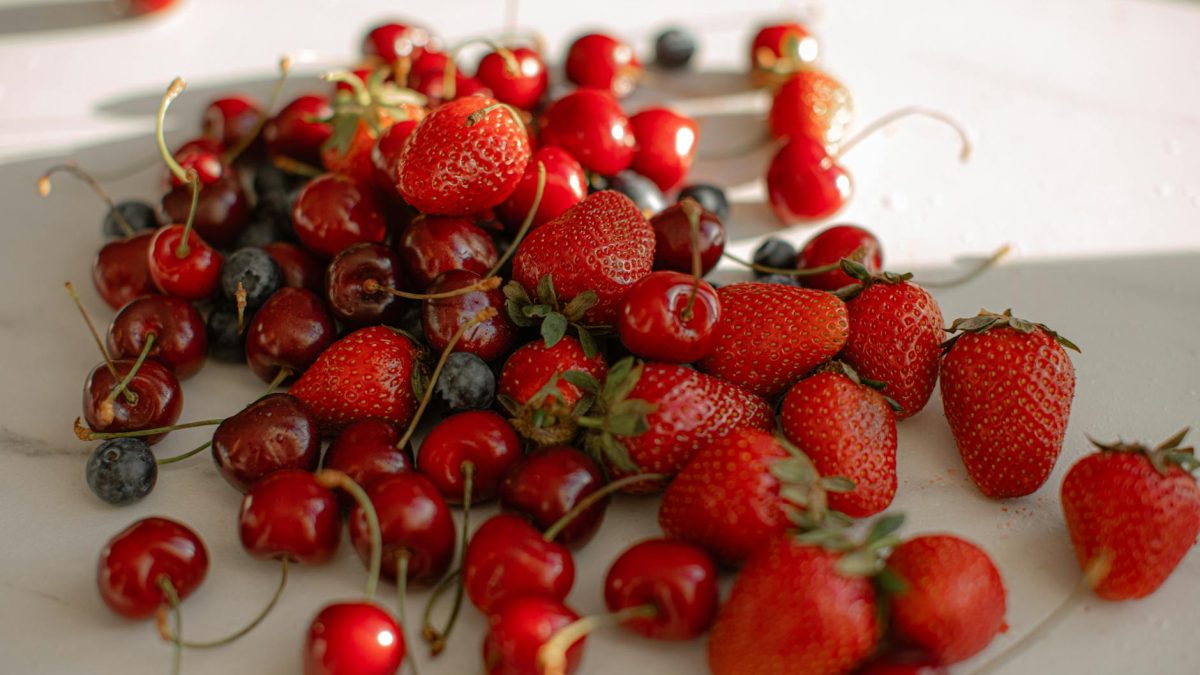
Inflammation is your body’s natural response to injury or infection, but when it becomes chronic, it can contribute to serious health problems like heart disease, diabetes, arthritis, and even certain cancers. The good news is that what you eat plays a significant role in either fueling or fighting inflammation. Registered dietitians consistently recommend specific foods that can help keep inflammation in check and support overall wellness.
Understanding which foods have anti-inflammatory properties and incorporating them into your daily routine doesn’t have to be complicated. These eight foods are not only backed by science but are also readily available and easy to include in meals throughout the day.
Fatty Fish: The Omega-3 Powerhouse
Fatty fish like salmon, mackerel, sardines, and anchovies top the list of anti-inflammatory foods for good reason. They are rich in omega-3 fatty acids, specifically EPA and DHA, which have been extensively studied for their ability to reduce inflammatory markers in the body.
Research shows that people who regularly consume fatty fish have lower levels of C-reactive protein (CRP), a key indicator of inflammation. Registered dietitians recommend eating fatty fish at least two to three times per week. If fresh fish isn’t accessible, canned options like sardines and salmon are equally nutritious and more budget-friendly.
“The anti-inflammatory benefits of omega-3s are so well-documented that I recommend fatty fish as a cornerstone of any inflammation-fighting diet. It’s one of the most powerful dietary interventions we have.”
For those who don’t eat fish, algae-based omega-3 supplements can provide similar benefits, though whole food sources are always preferred when possible.
Berries: Nature’s Antioxidant Gems
Blueberries, strawberries, raspberries, and blackberries are packed with antioxidants called anthocyanins, which give these fruits their vibrant colors and impressive anti-inflammatory effects. These compounds help neutralize free radicals that can trigger inflammation and cellular damage.
Studies have shown that people who eat berries regularly have reduced markers of inflammation and improved immune function. The fiber content in berries also supports gut health, which is increasingly recognized as central to controlling inflammation throughout the body.
Dietitians suggest adding a handful of berries to your morning oatmeal, yogurt, or smoothie. Frozen berries are just as nutritious as fresh ones and often more economical, making it easy to enjoy them year-round.
Leafy Greens and Cruciferous Vegetables
Dark leafy greens like spinach, kale, collard greens, and Swiss chard are loaded with vitamins, minerals, and antioxidants that combat inflammation. They contain high levels of vitamin K, which has been linked to reduced inflammatory markers, as well as compounds that support the body’s natural detoxification processes.
Cruciferous vegetables such as broccoli, Brussels sprouts, and cauliflower deserve special mention. They contain sulforaphane, a powerful anti-inflammatory compound that has been studied for its potential protective effects against chronic diseases.
The recommendation is simple: fill half your plate with vegetables at most meals. Whether raw in salads, sauteed as a side dish, or blended into soups, these vegetables are versatile and should be dietary staples.
Extra Virgin Olive Oil: Liquid Gold for Health
Extra virgin olive oil is a cornerstone of the Mediterranean diet, widely regarded as one of the healthiest eating patterns in the world. It contains oleocanthal, a compound with anti-inflammatory properties similar to ibuprofen, though much gentler on the body.
Research has consistently shown that people who use olive oil as their primary fat source have lower rates of inflammatory diseases. The key is choosing high-quality extra virgin olive oil and using it in place of other fats like butter or vegetable oils.
Registered dietitians recommend drizzling it over salads, using it for low-heat cooking, or adding it as a finishing oil to cooked dishes. Store it in a cool, dark place to preserve its beneficial compounds.
Nuts, Seeds, and Other Anti-Inflammatory All-Stars
Several other foods deserve recognition for their impressive anti-inflammatory credentials:
- Walnuts and almonds: Rich in healthy fats, fiber, and magnesium, these nuts help reduce inflammation and support heart health. A small handful daily provides substantial benefits.
- Chia and flax seeds: These tiny seeds pack a big nutritional punch with omega-3 fatty acids, fiber, and lignans that have anti-inflammatory effects. Ground flaxseed is easier to digest and absorb.
- Turmeric: This golden spice contains curcumin, one of the most studied anti-inflammatory compounds. Pairing it with black pepper significantly increases absorption.
- Green tea: Rich in polyphenols, particularly EGCG, green tea has been shown to reduce inflammation and may protect against chronic diseases.
The beauty of these foods is that they can easily be incorporated into daily meals and snacks. Sprinkle seeds on yogurt or salads, add turmeric to soups and stews, snack on nuts, and swap your afternoon coffee for green tea.
Building Your Anti-Inflammatory Plate
Incorporating these foods into your daily routine doesn’t require a complete diet overhaul. Start by making small, sustainable changes. Swap out refined cooking oils for extra virgin olive oil. Add berries to your breakfast. Include fatty fish twice a week. Snack on nuts instead of processed foods. These incremental shifts add up to significant health benefits over time.
It’s equally important to limit pro-inflammatory foods like refined sugars, processed meats, trans fats, and excessive alcohol. A diet that emphasizes whole, minimally processed foods naturally reduces inflammation while providing the nutrients your body needs to thrive.
Remember that food is just one piece of the puzzle. Managing stress, getting adequate sleep, staying physically active, and maintaining a healthy weight all contribute to reducing chronic inflammation. However, dietary changes remain one of the most accessible and powerful tools at your disposal.
By making these eight anti-inflammatory foods a regular part of your meals, you’re not just eating for today but investing in your long-term health and wellness.
References
1. Calder, P. C. (2017). Omega-3 fatty acids and inflammatory processes: from molecules to man. Biochemical Society Transactions, 45(5), 1105-1115.
2. Joseph, S. V., et al. (2014). Berries: anti-inflammatory effects in humans. Journal of Agricultural and Food Chemistry, 62(18), 3886-3903.
3. Schwingshackl, L., et al. (2017). Olive oil in the prevention and management of type 2 diabetes mellitus: a systematic review and meta-analysis of cohort studies and intervention trials. Nutrition & Diabetes, 7(4), e262.
4. Hewlings, S. J., & Kalman, D. S. (2017). Curcumin: A Review of Its Effects on Human Health. Foods, 6(10), 92.