Lisa Nguyen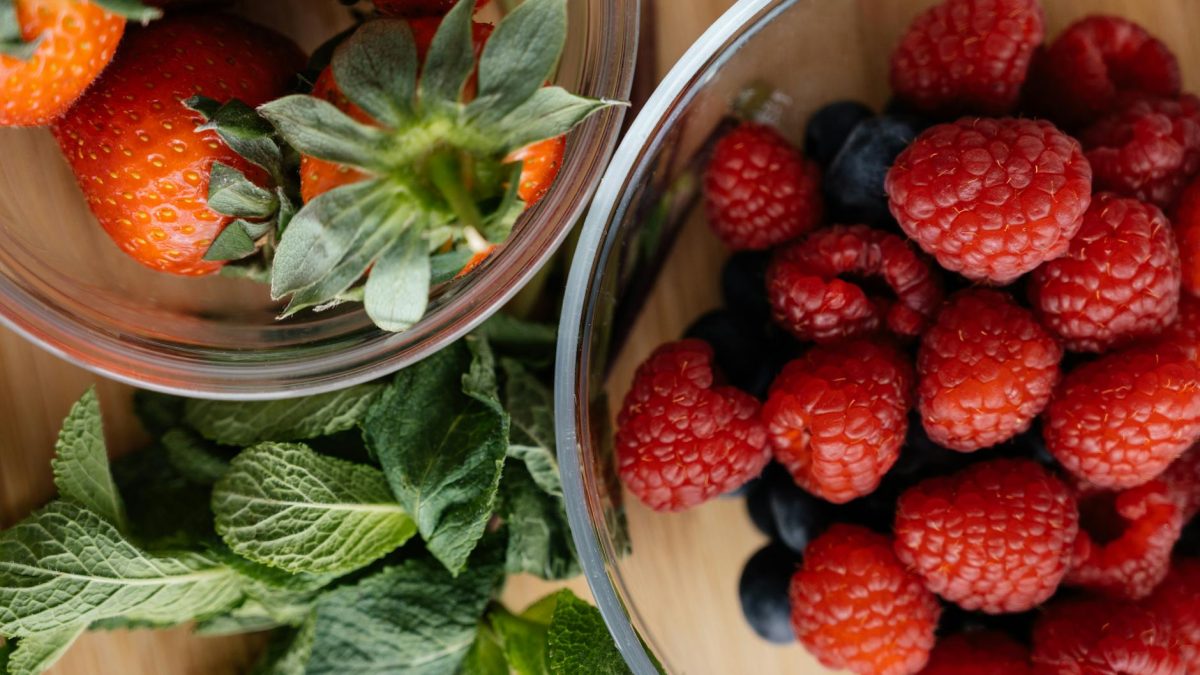
Chronic inflammation has emerged as a silent driver of numerous health conditions, from cardiovascular disease to arthritis and metabolic disorders. While acute inflammation serves as the body’s protective response to injury or infection, persistent low-grade inflammation can damage tissues and contribute to disease progression over time. Nutrition experts increasingly recognize that daily food choices play a pivotal role in managing inflammation levels throughout the body.
- Fatty Fish: Omega-3 Powerhouses for Cellular Health
- Leafy Greens: Antioxidant-Rich Inflammation Fighters
- Berries: Small Fruits With Mighty Anti-Inflammatory Effects
- Extra Virgin Olive Oil: Mediterranean Diet's Liquid Gold
- Nuts and Seeds: Nutrient-Dense Inflammation Modulators
- Turmeric: The Golden Spice With Clinical Backing
- Green Tea: Polyphenol-Rich Inflammation Reducer
- Fermented Foods: Gut Health Meets Anti-Inflammatory Benefits
- Implementing an Anti-Inflammatory Eating Pattern
- References
Research published in the Journal of the American College of Cardiology demonstrates that anti-inflammatory dietary patterns can reduce C-reactive protein (CRP) levels by up to 35 percent within just twelve weeks. Registered dietitians emphasize that incorporating specific anti-inflammatory foods into daily routines offers a sustainable, evidence-based approach to supporting long-term health. These eight foods stand out for their potent anti-inflammatory compounds and practical versatility in everyday meals.
Fatty Fish: Omega-3 Powerhouses for Cellular Health
Salmon, mackerel, sardines, and anchovies top the list of anti-inflammatory foods due to their exceptional omega-3 fatty acid content. These marine sources provide EPA (eicosapentaenoic acid) and DHA (docosahexaenoic acid), which directly counter inflammatory pathways at the cellular level. A 2019 study in Circulation found that consuming at least two servings of fatty fish weekly reduced inflammatory markers by 29 percent compared to those eating fish less than once monthly.
The omega-3 fatty acids in fish work by producing specialized pro-resolving mediators (SPMs), compounds that actively resolve inflammation rather than simply suppressing it. This distinction matters because SPMs help the body complete the inflammatory response cycle properly, preventing the chronic inflammation that damages tissues over time.
“We encourage clients to think of fatty fish as anti-inflammatory medicine on a plate. The omega-3s provide benefits you simply cannot replicate with plant-based sources alone, particularly for individuals with existing inflammatory conditions,” explains Jennifer Martinez, RD, a clinical dietitian specializing in autoimmune nutrition.
For maximum benefit, registered dietitians recommend prioritizing wild-caught options when possible and varying fish choices to minimize potential contaminant exposure. Preparation methods matter too. Grilling, baking, or poaching preserves omega-3 content better than high-heat frying, which can generate inflammatory compounds.
Leafy Greens: Antioxidant-Rich Inflammation Fighters
Kale, spinach, Swiss chard, and collard greens deliver concentrated doses of vitamins, minerals, and phytonutrients that combat oxidative stress and inflammation. These vegetables contain high levels of vitamin K, which regulates inflammatory responses, plus flavonoids and carotenoids that neutralize free radicals before they trigger cellular damage.
Research from the American Journal of Clinical Nutrition tracked over 38,000 participants and found that those consuming the highest amounts of leafy greens showed 20 percent lower levels of inflammatory biomarkers compared to the lowest consumers. The protective effects appeared dose-dependent, with benefits increasing as vegetable intake rose.
Dark leafy greens also provide magnesium, a mineral involved in over 300 enzymatic reactions including those that regulate inflammation. Many Americans consume only 50-60 percent of the recommended magnesium intake, making leafy greens particularly valuable for filling this nutritional gap. Dietitians suggest aiming for at least one to two cups of leafy greens daily, whether raw in salads, blended into smoothies, or sautéed as side dishes.
Berries: Small Fruits With Mighty Anti-Inflammatory Effects
Blueberries, strawberries, blackberries, and raspberries pack remarkable anti-inflammatory potential into small packages. These fruits contain anthocyanins, powerful antioxidants responsible for their vibrant colors and their ability to reduce inflammatory markers. Studies indicate that regular berry consumption decreases interleukin-6 (IL-6) and tumor necrosis factor-alpha (TNF-α), two key inflammatory cytokines.
A fascinating 2018 trial published in Nutrients examined adults with metabolic syndrome who consumed one cup of mixed berries daily for eight weeks. Participants experienced significant reductions in oxidative stress markers and improved endothelial function, suggesting berries benefit vascular inflammation specifically. The fiber content in berries also supports gut health, which plays an underappreciated role in systemic inflammation regulation.
Fresh and frozen berries offer equivalent anti-inflammatory benefits, making them accessible year-round. Registered dietitians recommend incorporating berries into breakfast routines, whether added to oatmeal, yogurt, or whole grain cereals, or enjoyed as standalone snacks throughout the day.
Extra Virgin Olive Oil: Mediterranean Diet’s Liquid Gold
Extra virgin olive oil (EVOO) stands as a cornerstone of anti-inflammatory eating, particularly within Mediterranean dietary patterns consistently linked to reduced chronic disease risk. EVOO contains oleocanthal, a phenolic compound that functions similarly to ibuprofen by inhibiting COX enzymes involved in inflammation. Research suggests that consuming approximately 3.4 tablespoons of EVOO daily provides anti-inflammatory effects comparable to 10 percent of the standard adult ibuprofen dose.
The polyphenol content in EVOO varies significantly based on processing methods and quality. Cold-pressed, unfiltered varieties retain the highest concentrations of beneficial compounds. A 2020 analysis in Nutrients demonstrated that participants consuming high-polyphenol olive oil for three weeks showed decreased expression of pro-inflammatory genes compared to those using refined olive oil.
Dietitians emphasize using EVOO as a finishing oil for salads, vegetables, and whole grains rather than exclusively for high-heat cooking, which can degrade delicate polyphenols. Store olive oil in dark containers away from heat and light to preserve its anti-inflammatory properties, and purchase smaller bottles to ensure freshness.
Nuts and Seeds: Nutrient-Dense Inflammation Modulators
Almonds, walnuts, chia seeds, and flaxseeds provide complementary anti-inflammatory benefits through diverse nutrient profiles. Walnuts particularly excel due to their alpha-linolenic acid (ALA) content, a plant-based omega-3 fatty acid. While ALA converts to EPA and DHA at relatively low rates (approximately 5-10 percent), regular consumption still provides measurable anti-inflammatory effects.
The PREDIMED study, one of the largest randomized nutrition trials ever conducted, found that participants consuming 30 grams of mixed nuts daily reduced inflammatory markers by 15-20 percent over five years. This modest daily intake-roughly one ounce or a small handful-also correlated with significant reductions in cardiovascular events.
Key anti-inflammatory components in nuts and seeds include:
- Vitamin E and selenium, which function as antioxidants protecting cell membranes from oxidative damage
- Magnesium, supporting hundreds of anti-inflammatory enzymatic processes
- Fiber, promoting beneficial gut bacteria that produce anti-inflammatory short-chain fatty acids
- Arginine, an amino acid that may reduce inflammatory markers in people with elevated levels
Registered dietitians recommend choosing raw or dry-roasted varieties without added oils or excessive salt. Grinding flaxseeds immediately before consumption maximizes nutrient absorption, as whole flaxseeds often pass through the digestive system intact.
Turmeric: The Golden Spice With Clinical Backing
Turmeric’s active compound, curcumin, has generated extensive scientific interest for its potent anti-inflammatory and antioxidant properties. Curcumin inhibits multiple inflammatory pathways simultaneously, including NF-kB, a protein complex that controls inflammatory gene expression. However, curcumin’s bioavailability presents challenges, as the body absorbs and retains only small amounts when consumed alone.
Combining turmeric with black pepper dramatically enhances absorption. Piperine, a compound in black pepper, increases curcumin bioavailability by up to 2,000 percent according to research published in Planta Medica. Consuming turmeric with healthy fats also improves absorption, as curcumin is fat-soluble.
Clinical trials using curcumin supplements demonstrate impressive results. A 2019 meta-analysis in Critical Reviews in Food Science and Nutrition, examining 15 controlled trials, concluded that curcumin supplementation significantly reduced CRP and IL-6 levels across diverse populations. While therapeutic doses often require concentrated supplements, incorporating turmeric into daily cooking still provides valuable anti-inflammatory support.
Dietitians suggest adding turmeric to scrambled eggs, roasted vegetables, soups, smoothies, and grain dishes. Golden milk, a traditional beverage combining turmeric with warm milk (or plant-based alternatives), black pepper, and often ginger or cinnamon, offers an enjoyable way to consume therapeutic amounts regularly.
Green Tea: Polyphenol-Rich Inflammation Reducer
Green tea delivers catechins, particularly epigallocatechin gallate (EGCG), which possesses remarkable anti-inflammatory and antioxidant capabilities. Studies indicate that EGCG modulates inflammatory responses by suppressing pro-inflammatory cytokines and reducing oxidative stress. Regular green tea consumption correlates with lower levels of inflammatory biomarkers across multiple population studies.
Research published in the Journal of Nutrition followed over 40,000 Japanese adults for 11 years, finding that those consuming five or more cups of green tea daily had 26 percent lower mortality rates from cardiovascular disease compared to those drinking less than one cup. While multiple factors contribute to these outcomes, the anti-inflammatory effects of green tea catechins appear to play a significant protective role.
The preparation method influences green tea’s anti-inflammatory potential. Steeping tea for three to five minutes in water just below boiling (approximately 160-180 degrees Fahrenheit) optimizes catechin extraction without creating bitterness. Adding lemon enhances catechin absorption, while adding milk may bind to polyphenols and reduce their bioavailability.
Registered dietitians recommend consuming green tea between meals rather than with iron-rich foods, as catechins can inhibit iron absorption. For those sensitive to caffeine, decaffeinated green tea retains most beneficial polyphenols while offering a lower-stimulant option.
Fermented Foods: Gut Health Meets Anti-Inflammatory Benefits
Yogurt, kefir, sauerkraut, kimchi, and other fermented foods support anti-inflammatory processes through their probiotic content and effects on gut health. Emerging research reveals that gut microbiome composition significantly influences systemic inflammation, with beneficial bacteria producing anti-inflammatory compounds while pathogenic bacteria generate inflammatory signals.
A 2021 study in Cell examined participants consuming fermented foods daily for ten weeks. Researchers observed increased microbiome diversity and decreased activation of four types of immune cells involved in inflammatory responses. Participants also showed reduced levels of 19 inflammatory proteins, demonstrating the powerful connection between fermented food consumption and inflammation regulation.
The proposed mechanisms include:
- Production of short-chain fatty acids (SCFAs) like butyrate, which directly suppress inflammatory pathways
- Strengthening of the intestinal barrier, preventing inflammatory compounds from entering circulation
- Modulation of immune cell activity, promoting regulatory responses over inflammatory ones
- Competition with pathogenic bacteria that trigger inflammatory cascades
When selecting fermented foods, registered dietitians emphasize choosing unpasteurized varieties containing live active cultures, as pasteurization eliminates beneficial bacteria. Starting with small portions allows the digestive system to adapt gradually, minimizing potential gas or bloating in those unaccustomed to fermented foods.
Implementing an Anti-Inflammatory Eating Pattern
While individual anti-inflammatory foods provide specific benefits, registered dietitians emphasize that overall dietary patterns matter most for managing chronic inflammation. The foods highlighted here form the foundation of evidence-based anti-inflammatory eating approaches like the Mediterranean diet, which consistently demonstrates superior health outcomes in clinical research.
Practical implementation involves gradually incorporating these eight food categories into existing routines rather than attempting dramatic overnight changes. Simple strategies include adding berries to morning meals, replacing cooking oils with extra virgin olive oil, snacking on nuts instead of processed foods, and experimenting with one new anti-inflammatory recipe weekly.
Consistency proves more valuable than perfection. Consuming anti-inflammatory foods daily creates cumulative benefits that build over weeks and months, supporting the body’s natural inflammation resolution processes. Combined with other lifestyle factors like regular physical activity, stress management, and adequate sleep, anti-inflammatory nutrition offers a powerful tool for optimizing long-term health and reducing chronic disease risk.
References
Journal of the American College of Cardiology
American Journal of Clinical Nutrition
Nutrients
Critical Reviews in Food Science and Nutrition